Play Bad Memories
Bad Memories Screenshots





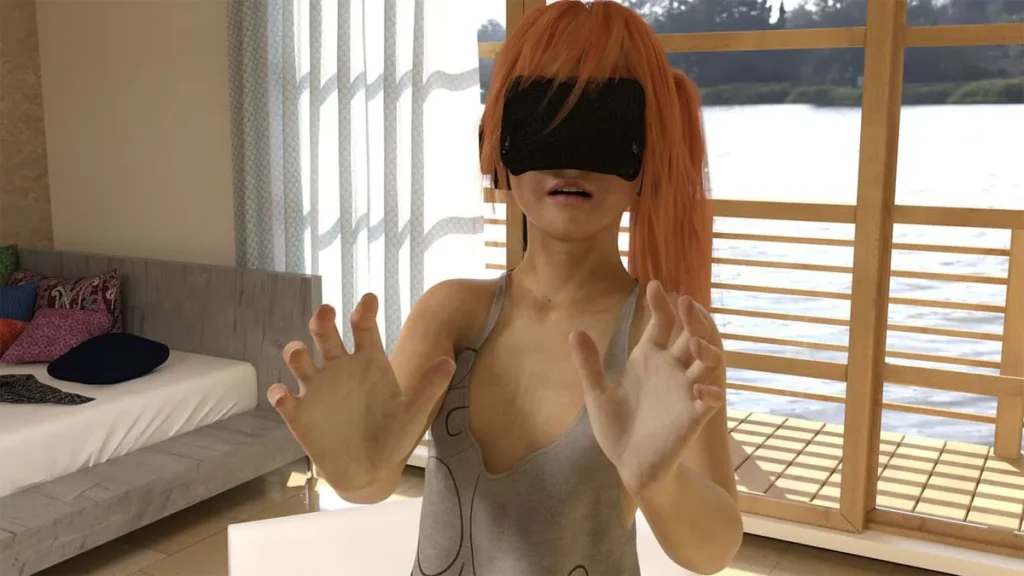
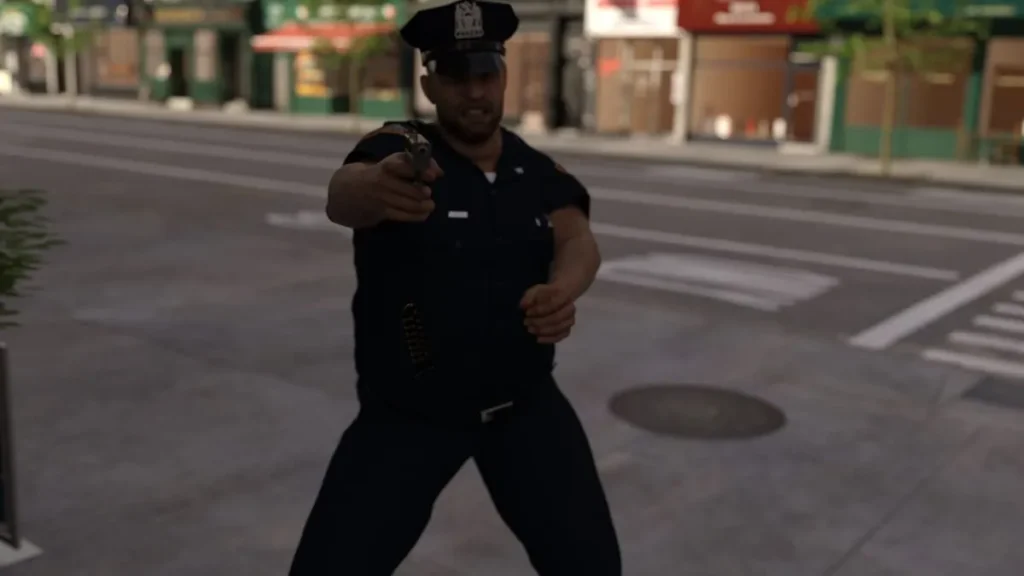

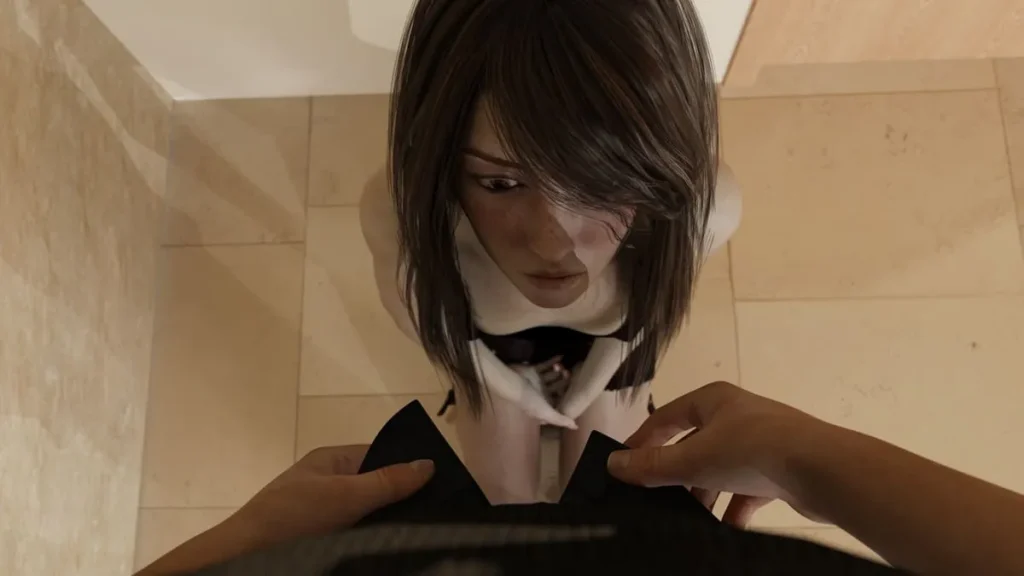


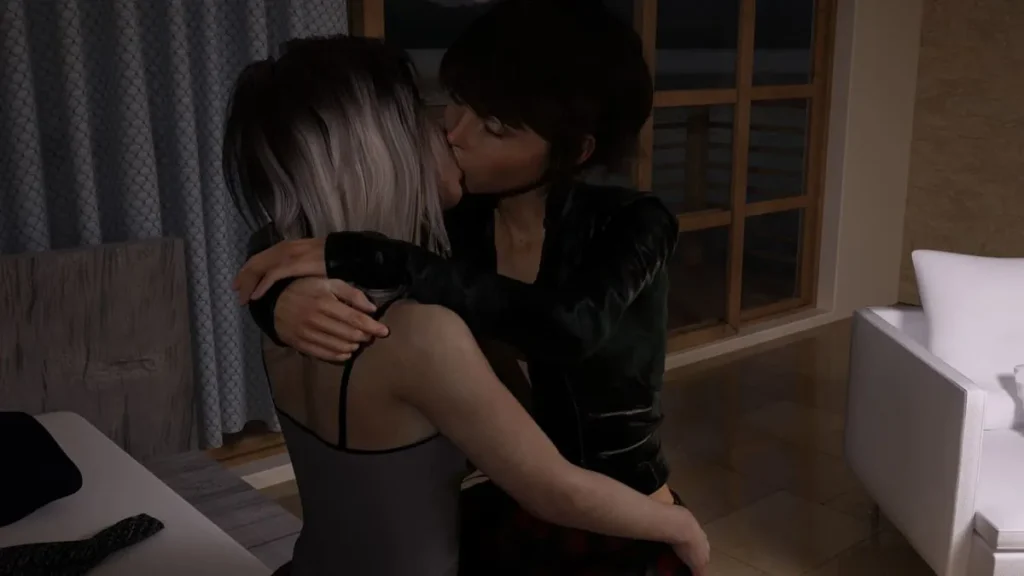


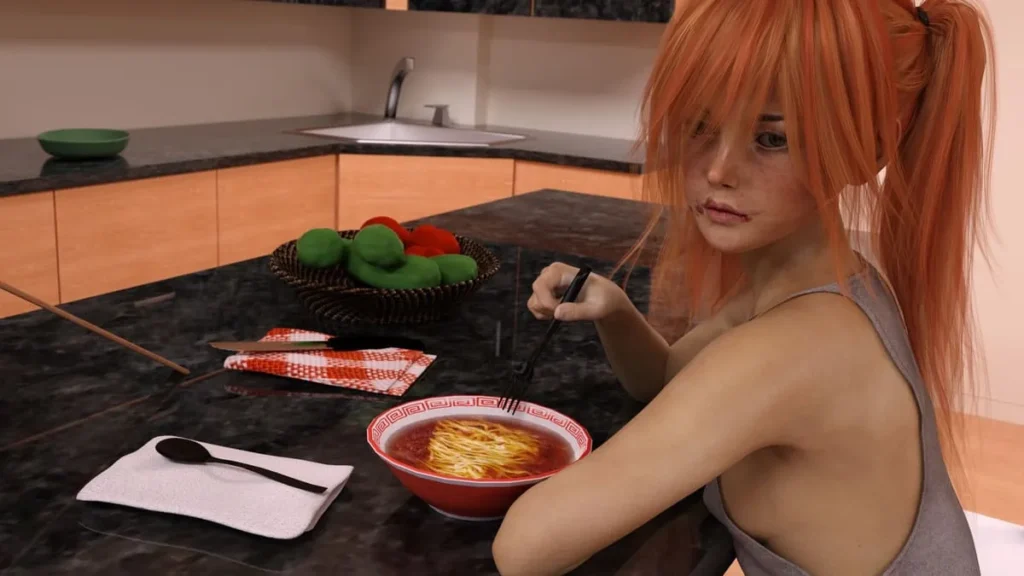
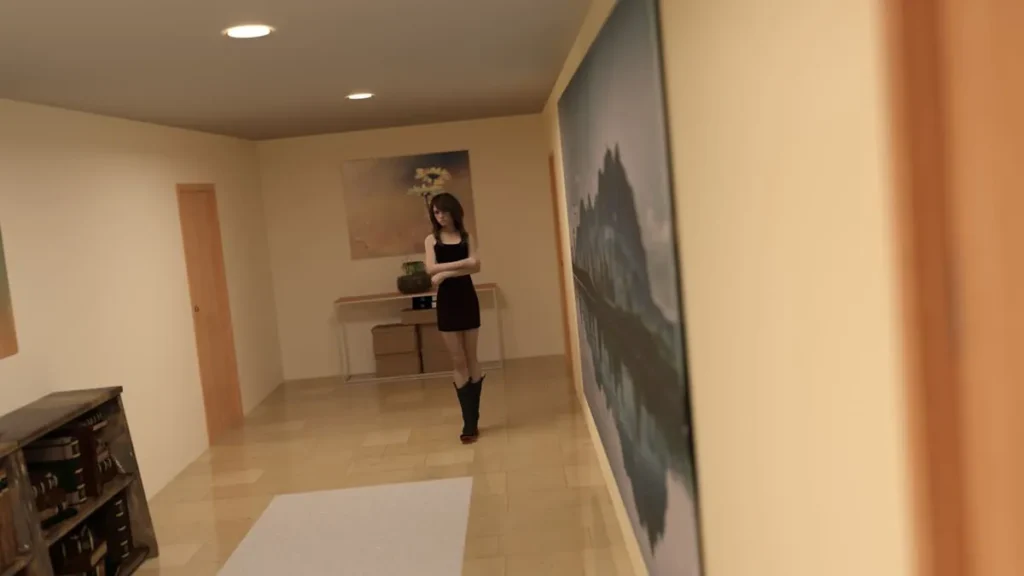



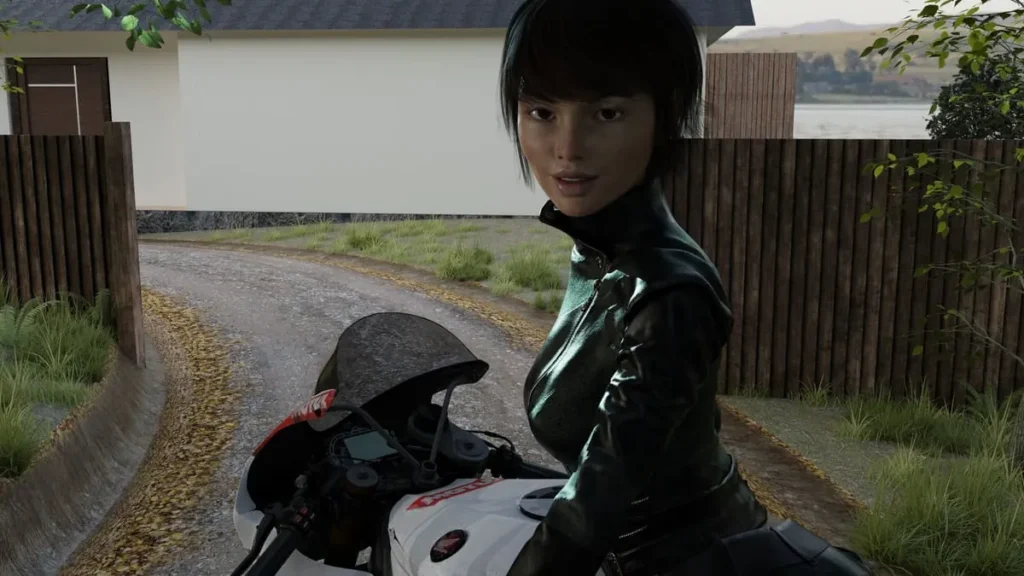

Bad Memories review
Complete walkthrough of narrative choices, relationship mechanics, and multiple endings
Bad Memories stands out as a choice-driven visual novel that prioritizes emotional depth and narrative complexity over traditional gameplay mechanics. This interactive experience invites players to navigate a protagonist’s journey through regret, trauma, and self-discovery, where every dialogue option and action shapes the unfolding story. Whether you’re exploring the game’s intricate character relationships, deciphering the hidden affection system, or uncovering multiple endings, understanding the core mechanics and narrative structure enhances your experience. This guide covers everything you need to know about Bad Memories, from its psychological storytelling to the strategic decisions that determine your character’s fate.
Understanding Bad Memories: Core Story and Setting
Have you ever felt that strange pull back to a place you swore you’d never return to? 😨 That mix of nostalgia and dread is exactly where Bad Memories begins its masterful psychological horror narrative. This isn’t a game about running from monsters; it’s about sitting with the one that’s lived inside you for years. The Bad Memories storyline asks a terrifyingly simple question: what if you had to go home and finally face the ghosts you created?
Playing this game felt deeply personal to me. I remember a save point where I, as the protagonist Alex, was just standing in a crumbling childhood bedroom, and the weight of the silence was louder than any jump scare. It perfectly captures that universal feeling of unresolved history. So, let’s pull back the curtain on this haunting experience. This chapter is your guide to understanding the emotional bedrock of this unforgettable character-driven visual novel.
What is the Bad Memories narrative about? 🧩
At its heart, the Bad Memories narrative is a story about excavation. You play as Alex, an adult dragged back to their rain-soaked, suffocating hometown after years away. The external reason doesn’t matter—a distant relative’s passing, loose ends with an estate. The real reason is the unprocessed trauma festering beneath the surface: the fog of childhood pain, the gaping hole of parental loss, and the intricate web of family dysfunction that shaped who Alex became.
Forget action set-pieces or grand adventures. The stakes here are entirely emotional and psychological. 🫀 The core conflict isn’t about saving the world; it’s about saving a fractured sense of self. Will Alex break the cycles of guilt and regret? Can they rebuild burnt bridges, or is some damage truly permanent? The Bad Memories storyline is constructed around these intimate, gut-wrenching choices. Every dialogue option, every explored memory, feels like therapy you’re conducting on yourself, with no guarantee of a happy ending.
The brilliance of this visual novel story is its refusal to offer easy answers. It presents trauma not as a single event to be conquered, but as a landscape to be navigated. One moment you might be unpacking a bitter argument with a sibling, and the next, you’re confronted with the quieter, more insidious pain of emotional neglect. It’s this layered, honest approach that makes the narrative so compelling and, at times, uncomfortably relatable.
How does the game setting shape your experience? 🌧️
In Bad Memories, the setting isn’t just a backdrop; it’s the main antagonist, the therapist, and a living scrapbook all at once. The Bad Memories game setting is a brilliantly crafted psychological space where the line between memory and reality doesn’t just blur—it disappears entirely. You’re not simply walking through a town; you’re walking through Alex’s psyche.
Locations are directly tied to specific traumas. The old playground might shift from a sunny, laughter-filled space to a cold, desolate lot based on the memory you’re reliving. 🎠 Your childhood home morphs, rooms expanding or sealing shut, reflecting Alex’s willingness to confront certain truths. This environment itself becomes the ultimate puzzle. To progress, you must literally piece together your past by interacting with these shifting spaces, finding triggers that unlock new (and often painful) revelations.
I found the use of “ghostly echoes” particularly chilling. You’ll enter a space and hear faint whispers of an old argument, see fleeting shadows of past events. These aren’t paranormal scares in the traditional sense; they’re psychic scars made manifest. The Bad Memories game setting forces you to engage with the atmosphere. You’ll need to observe the changing light, listen to the ambient sound of rain or distant radio static, and feel the oppressive weight of empty rooms. This transforms exploration from a simple task into an emotionally charged investigation of the self.
Key characters and their emotional significance 👥
The people you meet (or remember) in Bad Memories are not standalone characters. They are facets of Alex’s emotional world, each representing a different wound, regret, or missed connection. Understanding these Bad Memories characters is key to navigating the story’s complex relationship mechanics and achieving the ending you seek.
Here’s a breakdown of the pivotal figures you’ll encounter on this journey:
| Character | Their Role | Emotional Significance to Alex |
|---|---|---|
| Alex (You) | The Protagonist | The fractured self. Alex is a canvas of regret, shaped by flight and avoidance. Your choices determine if they become an archaeologist of their own pain or continue to bury it. |
| Jordan | The Central Rift | Represents the one that got away—a deep friendship or relationship shattered by misunderstanding, time, or Alex’s own actions. They are the embodiment of “what if” and unresolved connection. |
| Rachel | The Step-Sister | Symbolizes complicated family bonds. The history is messy, blended with rivalry, jealousy, and a reluctant, underlying loyalty. She forces Alex to confront the concept of chosen vs. given family. |
| Elara | The Pivotal Figure from the Past | Often tied to Alex’s deepest trauma or fondest memory. She is the catalyst, the person or memory that sparked a fundamental change in Alex’s life path, for better or worse. |
| Casey | The Mediator Friend | Acts as the potential bridge to the present. While others are tied to the past, Casey often represents a tether to normalcy and a chance for a new, healthier dynamic if Alex can learn to be present. |
This ensemble creates a powerful dramatic engine. Jordan might represent the love Alex felt unworthy of, while Rachel embodies the resentments they couldn’t escape. 🫂 Interacting with them isn’t just about choosing nice or mean dialogue options; it’s about deciding which aspects of your past you want to validate, apologize for, or finally let go of. The Bad Memories characters are your mirrors, and what you see in them depends entirely on how you’ve chosen to guide Alex’s healing.
The narrative is delivered through a deeply immersive, fragmentary style. You won’t find lengthy, traditional cutscenes. Instead, the Bad Memories storyline is uncovered through:
* Diary Entries & Notes: Often contradictory, showing how Alex’s perception has changed over time.
* Environmental Storytelling: A cracked photo frame, a specific book left on a table, a song scratched into a desk.
* Audio Logs & Echoes: Hearing past conversations from different perspectives.
* Symbolic Dream Sequences: Where the game’s psychological horror narrative truly wears its heart on its sleeve, presenting fears and desires in raw, metaphorical forms.
This patchwork method makes you an active participant in reconstruction. You’re not being told a story; you’re unearthing it, piece by painful piece.
Ultimately, the game explores profound themes of regret, forgiveness, and human connection. It asks if understanding the “why” behind a hurt can ever be enough to mend it. The much-touted “sandbox freedom” is its greatest gift and challenge. There’s no correct order. You can linger in a painful memory, avoid a triggering location, or rush toward a confrontation you’re not ready for. 🕊️ This freedom means your experience with the Bad Memories narrative is uniquely yours. You navigate your emotional story at your own pace, which makes every revelation, every mended bridge, and every tragic misunderstanding feel intensely personal. It’s a brave and beautifully crafted journey into the things we try to forget, and the power they hold over us until we finally turn and face them.
Bad Memories delivers a compelling interactive experience that prioritizes emotional storytelling and player agency above all else. The game’s strength lies in its intricate affection system, meaningful dialogue choices, and the way every decision—no matter how small—ripples through the narrative to shape your character’s journey. Whether you’re drawn to the psychological depth of the storyline, the complexity of character relationships, or the satisfaction of discovering multiple endings, Bad Memories offers substantial replay value and emotional resonance. Understanding the core mechanics, relationship systems, and decision points allows you to navigate the game’s branching paths with intention and uncover the narrative variations that resonate most with your playstyle. For players seeking a visual novel that respects their choices and delivers genuine emotional consequences, Bad Memories stands as a masterclass in interactive storytelling.