The Theater of Sinners
Play The Theater of Sinners
The Theater of Sinners Screenshots
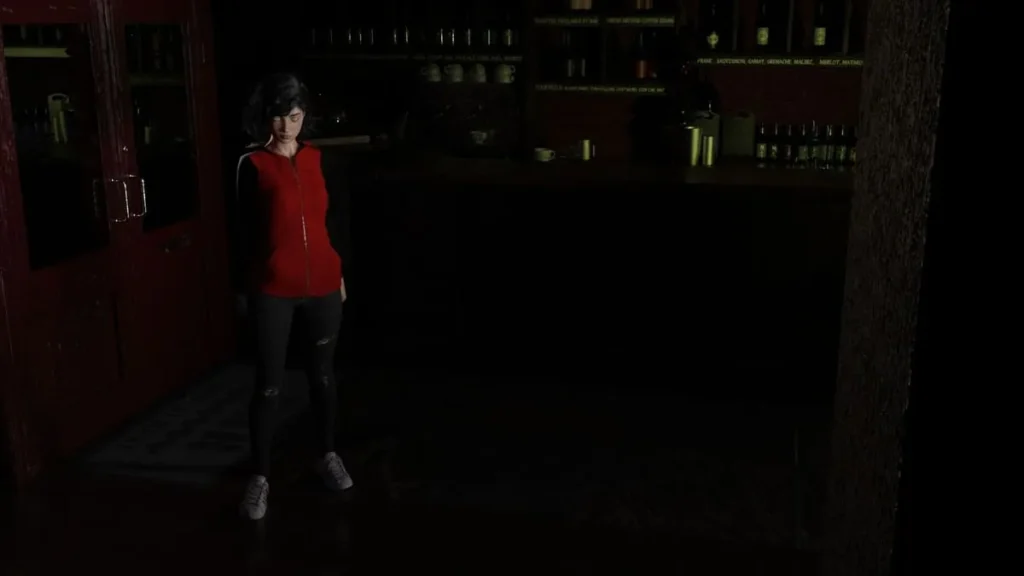
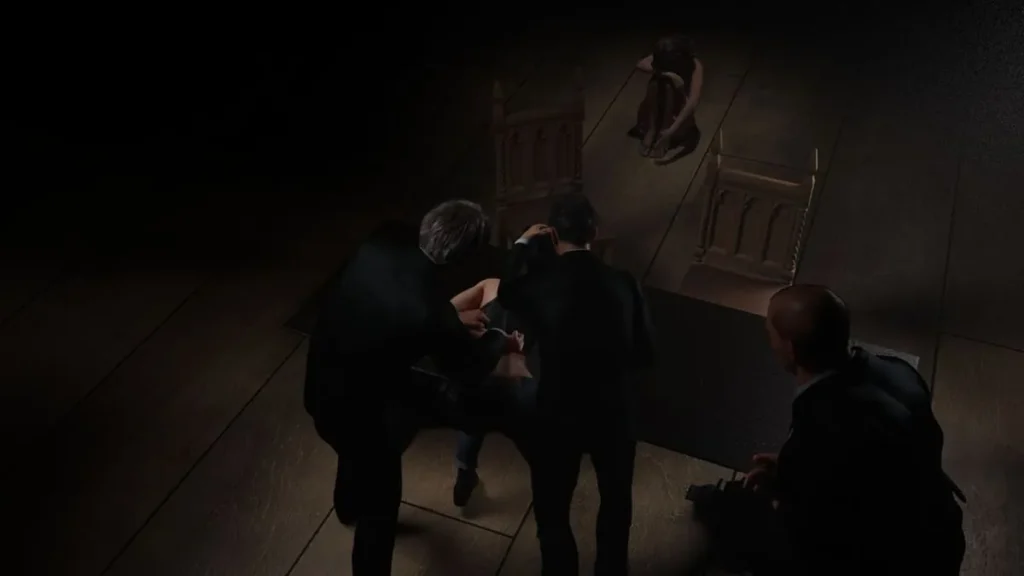
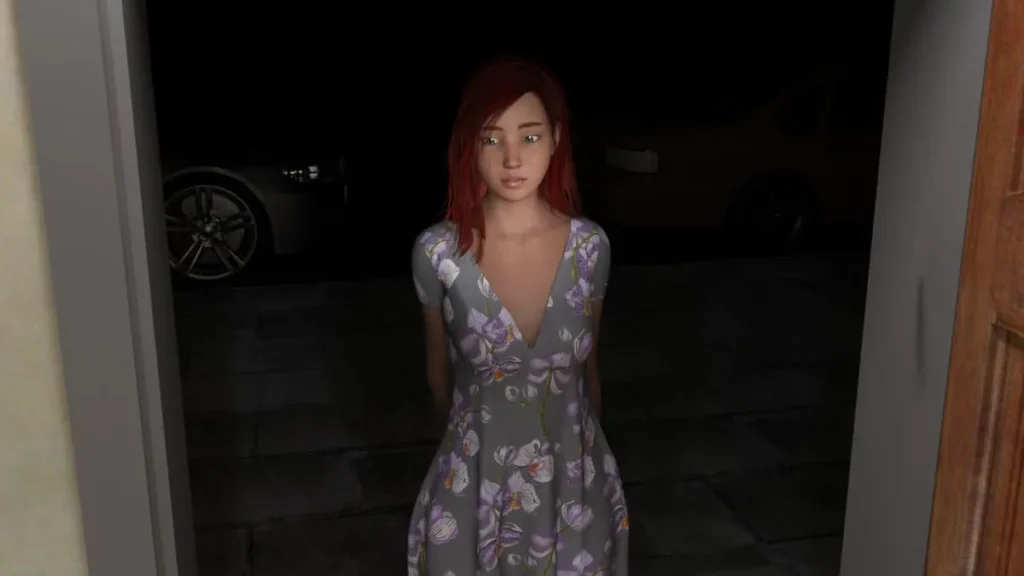
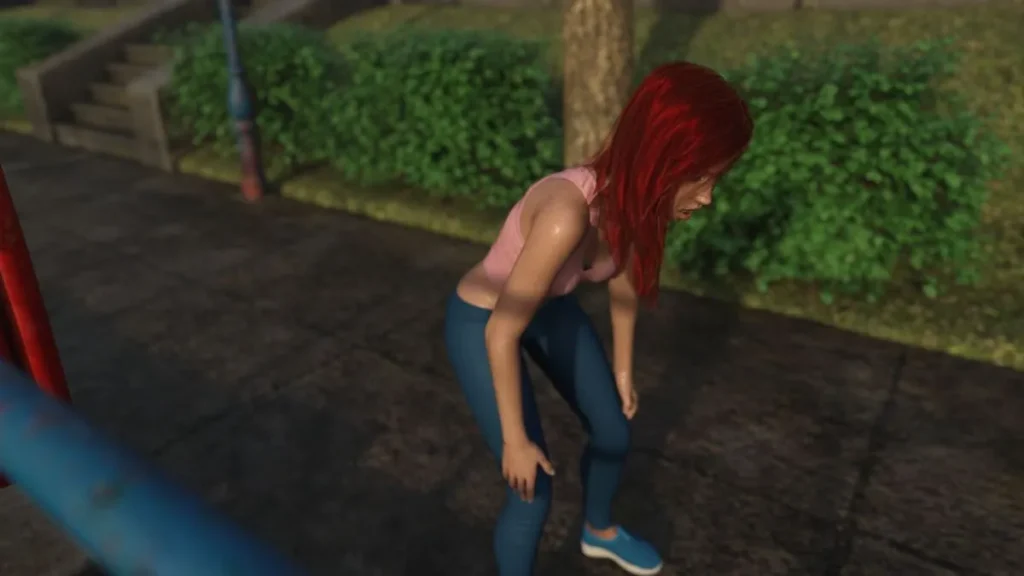
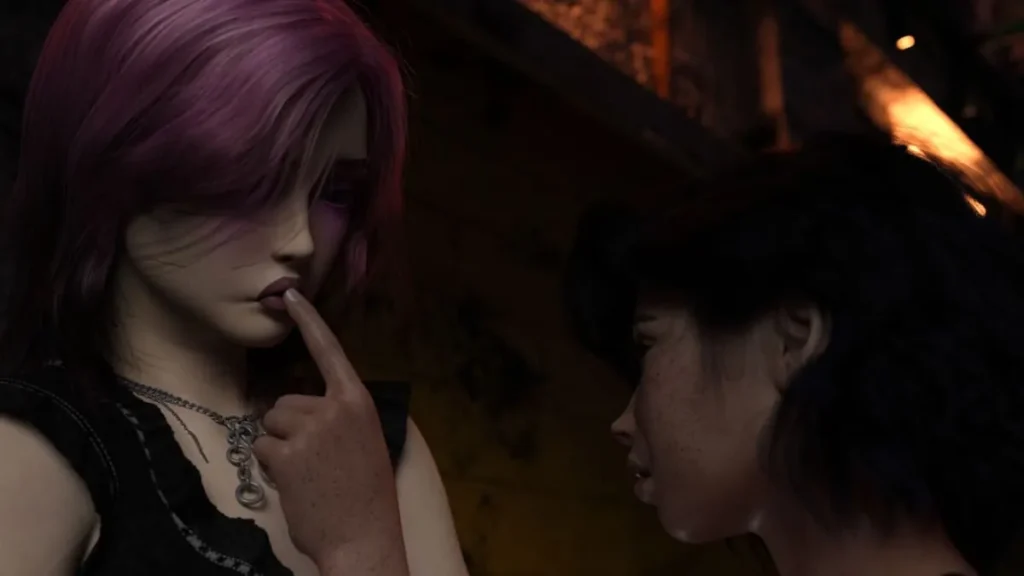
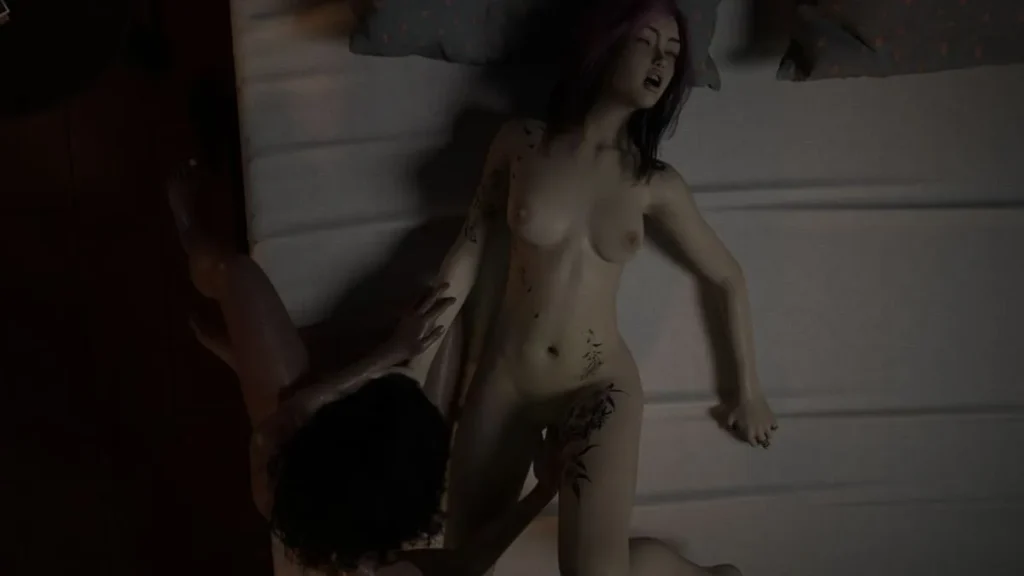
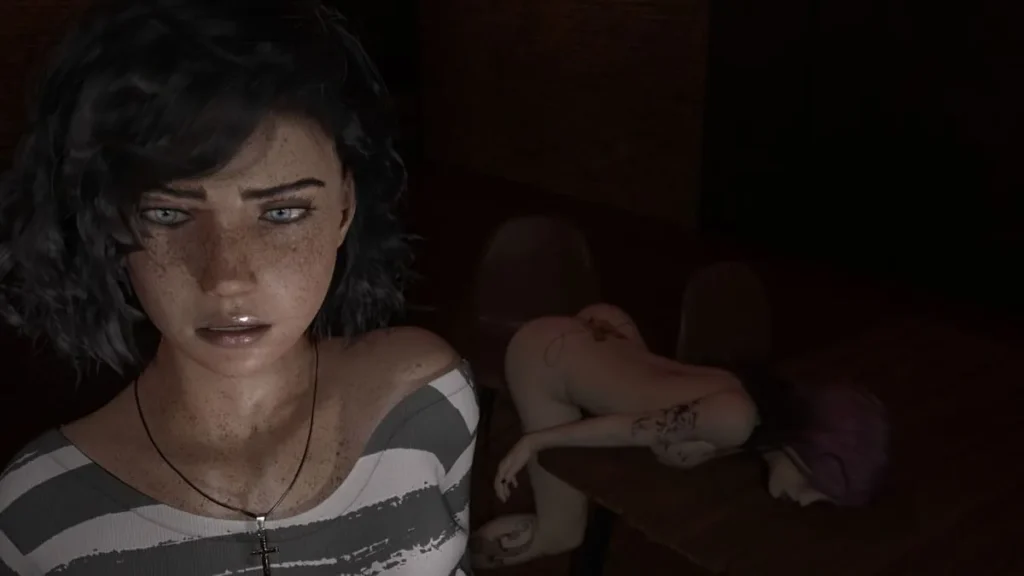


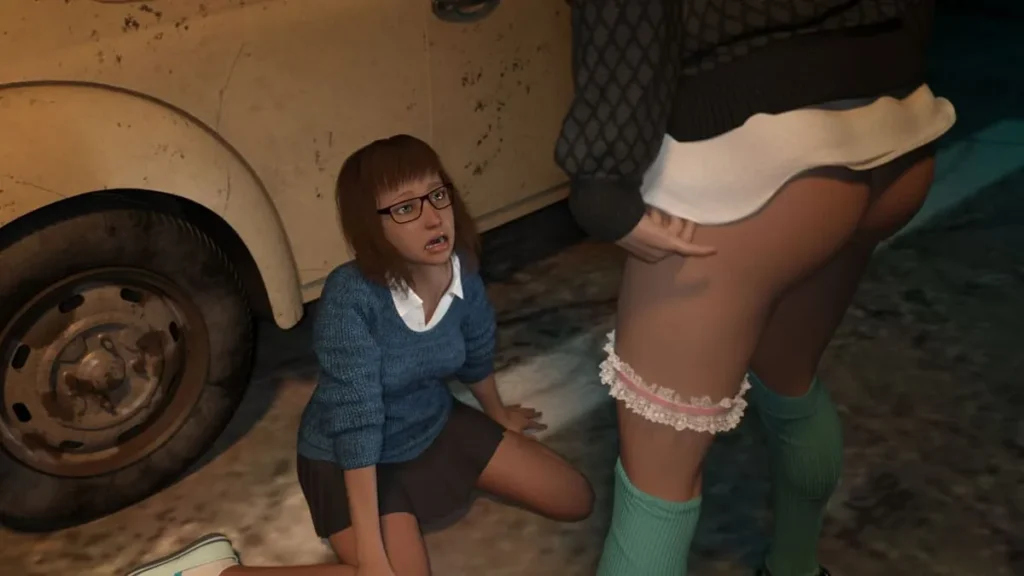

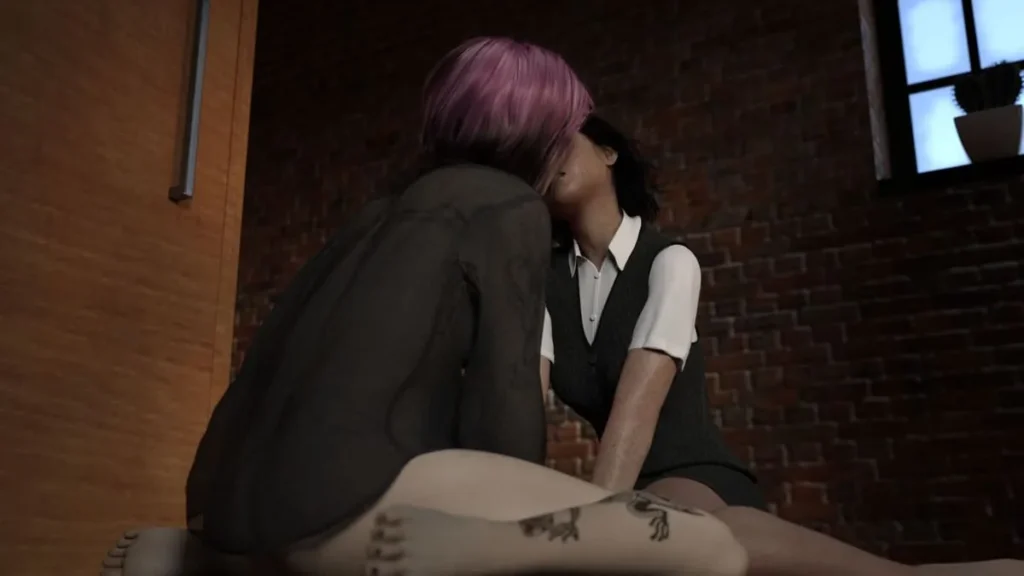

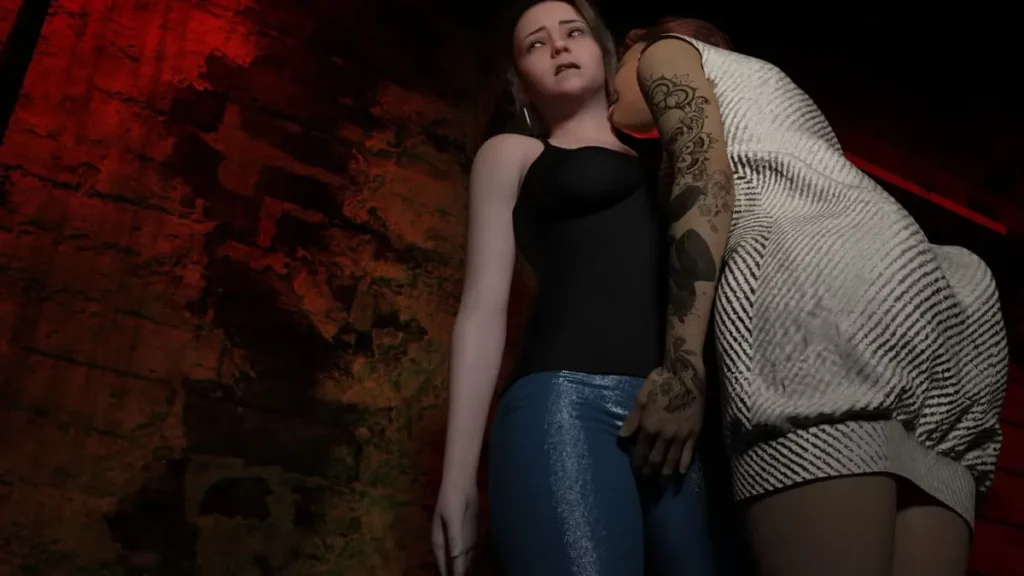

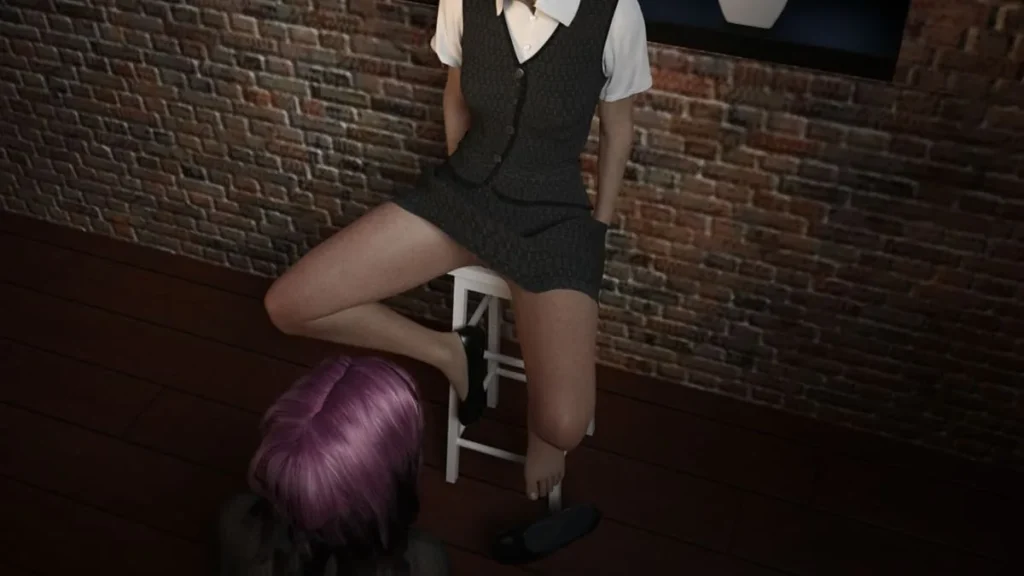
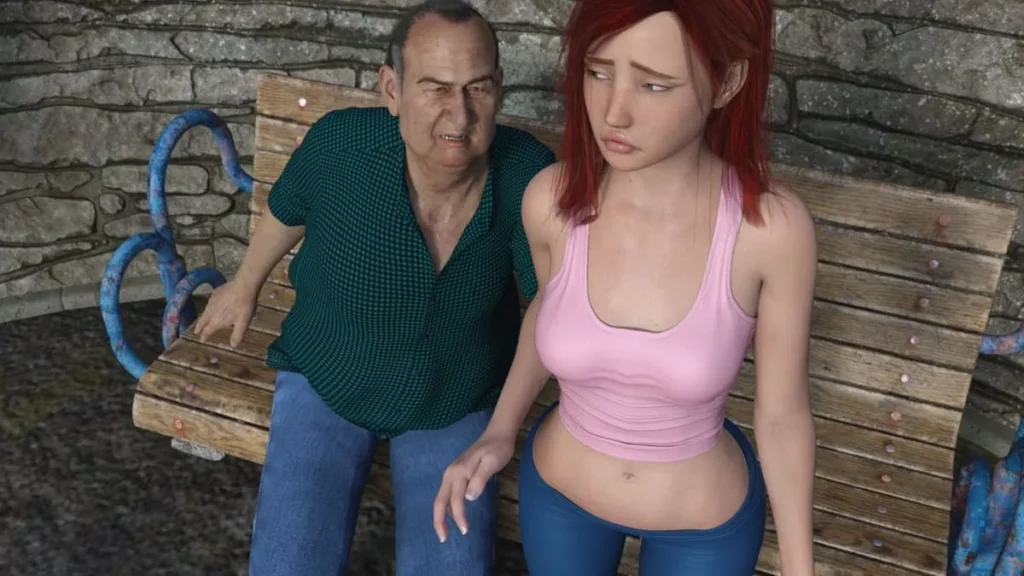
The Theater of Sinners review
Exploring gameplay, story, and player experience in The Theater of Sinners
The Theater of Sinners is a provocative, story-driven game that blends visual novel elements with mature, interactive storytelling in a dark, stage-like setting. From the first time I loaded it up, the game felt less like a typical title and more like an unsettling play where you are both audience and performer. In this article, I will walk you through how The Theater of Sinners works, what the experience feels like, and the practical things I wish I had known before I started. By the end, you should have a clear sense of whether this intense, adult-focused game belongs in your library.
What Is The Theater of Sinners Game All About?
Stepping into The Theater of Sinners feels less like booting up a traditional video game and more like stumbling into a forbidden, velvet-draped auditorium after hours. 🎭 At its heart, this is a mature narrative game that fully commits to its core premise: you are an unwilling participant in a twisted performance, where every interaction is a scene and every choice feels like a line delivered under a blinding spotlight. If you’re seeking a light-hearted escape or fast-paced action, you’ve bought a ticket to the wrong show. This experience is a psychological adult game designed to unsettle, provoke, and immerse you in a story where the boundaries between audience, actor, and playwright are horrifically blurred. 😶 In this The Theater of Sinners overview, we’ll pull back the curtain on exactly what this unique title entails, from its chilling setup to the heavy themes it explores, so you can decide if you’re ready to take the stage.
The The Theater of Sinners game belongs to a specific niche of dark visual novel game, where interactive decision-making is woven into a linear yet branching story. Your primary tools are not weapons or platforms, but dialogue options and moral compromises. The game’s power lies in its atmosphere and character dynamics, creating a claustrophobic world that gets under your skin. This isn’t just a story you witness; it’s one you shape through fraught interactions, making the The Theater of Sinners story a deeply personal, and often uncomfortable, journey.
How does The Theater of Sinners set up its dark stage? 🖤
From the very first click, The Theater of Sinners establishes its unique identity. You aren’t simply navigating menus; you’re entering a liminal space—a grand, decaying theater that exists outside of normal reality. This isn’t a literal location with streets and shops; it’s a metaphorical prison dressed as a playhouse. Each new “room” you access feels like a new set piece, and every character introduction is staged with deliberate, dramatic flair. 🚪✨
The interface itself is a masterclass in thematic design. Transitions between scenes are marked by the slow draw of heavy crimson curtains or the fade of a spotlight. The narrative is divided into Acts and Intermissions, reinforcing the idea that you are progressing through a performance. This constant theatrical framing does something brilliant: it creates a pervasive sense of being watched. 😨 You’re never quite alone. Even in moments of quiet dialogue, the empty seats in the digital auditorium seem to hold a silent, judging audience. This design choice transforms simple exploration into a psychologically loaded experience. The environment whispers that your actions are not private, that every choice is a public declaration, which massively amplifies the game’s unsettling mood.
The characters you meet are your fellow performers, each trapped in this cycle and adhering to their own twisted scripts. Their introductions are often punctuated by dramatic lighting changes or symbolic props, making every encounter feel significant and staged. This isn’t a world that obeys normal rules; it’s a realm where emotion and power dynamics are the only true currencies, and the theater is the cage where they are brutally traded. For a dark visual novel game, this commitment to a central metaphor is exceptional, ensuring the gameplay and story are inseparable from the very first scene.
Core themes and tone of The Theater of Sinners 💀
If the setting is the stage, then the themes are the haunting script. The Theater of Sinners is unflinchingly adult in its subject matter, focusing on the messy, often ugly corners of the human psyche. This isn’t about fantasy combat or solving puzzles; it’s about navigating intense, interpersonal drama where the stakes are emotional and psychological. The The Theater of Sinners story is built on a foundation of complex, difficult themes that will resonate with players who appreciate narrative depth and moral ambiguity.
The game relentlessly explores guilt and complicity. You are constantly placed in situations where easy answers don’t exist, and even the “best” choice may leave a stain on your conscience. This ties directly into themes of power and control. Relationships are rarely equal; they are battlegrounds of manipulation, submission, and defiance. The game examines desire and obsession not through rose-colored glasses, but through a lens of toxicity and need, asking how far one will go to obtain or keep another person. Wrapping all of this together is the central motif of judgment and display. Being in the theater means your flaws, your desires, and your decisions are all put on show, dissected by both the other characters and, by extension, yourself.
The tone is consistently dark, tense, and psychologically charged. It leans heavily into emotional manipulation, not just between characters, but between the game and you, the player. It makes you question your own motivations for choosing certain paths. Does a choice come from a place of compassion, or a hidden desire for control? The game trades in sensations of shame, anxiety, morbid fascination, and uneasy tension. It’s a mature narrative game that expects its audience to sit with discomfort and engage with challenging material. There are no heroic escapades here—only the slow unraveling of personas under pressure.
To summarize, the core emotional and thematic pillars of the experience include:
- Guilt and Moral Compromise: Facing the consequences of impossible choices and living with the aftermath.
- Power Imbalance: Navigating relationships defined by control, manipulation, and shifting dominance.
- Emotional Tension: A sustained atmosphere of psychological pressure and unease.
- Judgment & Performance: The meta-awareness of being constantly observed and evaluated for your actions.
| Theme | How It Manifests in Gameplay |
|---|---|
| Guilt & Complicity | Dialogue choices often force you to participate in or condemn morally ambiguous situations, with lasting narrative impact. |
| Power Dynamics | Character interactions are tests of will, where choices can assert dominance, show submission, or attempt to break another’s control. |
| Psychological Manipulation | The story and characters deliberately provoke emotional responses, making you question motives—both theirs and your own. |
| Theatrical Judgment | The UI and setting constantly remind you that your role is that of a performer, making every decision feel critically important. |
My first impressions after playing The Theater of Sinners 🎪
I remember my first session vividly. I launched The Theater of Sinners game with only the vaguest idea of what to expect, drawn in by promises of a dark visual novel game with weighty choices. The initial moments were steeped in disorientation. My avatar—a silent proxy for myself—awoke in a lavish yet oppressive dressing room, with no memory of how I arrived. The only exit led not to a hallway, but to the wings of a vast, shadowy stage. The ambient sound of a distant, ghostly audience settled my nerves into a state of permanent low-grade anxiety. 😰
The first act moved with a deliberate, slow-burn pacing. It spent time establishing the eerie rules of this world and introducing the first of the enigmatic, damaged characters who inhabit it. I’ll be honest: for the first hour, I was more confused than scared, trying to piece together the “why” of it all. Then came the first major choice. It was a seemingly simple dialogue option during a tense confrontation, presented without clear moral signposting. I chose what I thought was a defiant, principled stand. The reaction was instantaneous and cold—a character’s demeanor shifted from wary hostility to icy contempt, and the narrative path visibly forked. That was my “oh” moment. 🤯 The The Theater of Sinners story wasn’t just telling me a tale; it was reacting to me. My decisions genuinely reshaped how these broken people viewed and treated my presence in their prison.
What convinced me to keep playing, despite the increasingly unsettling tone, was this palpable sense of agency within the darkness. The game isn’t about shock for shock’s sake; it’s about consequence. The early hours plant seeds of deep intrigue about the nature of the theater and the pasts of its inhabitants. I kept playing because I needed to know if my defiance would lead to freedom or a worse cage, and if a gesture of twisted compassion would be met with gratitude or exploitation. The psychological adult game elements are front and center, making you an active collaborator in the uncomfortable narrative.
So, is The Theater of Sinners worth playing? That entirely depends on what you seek from a game. This is my practical, actionable advice: If you are a fan of grim, narrative-driven experiences like visual novels or text-heavy RPGs where story is king, and you have the stomach for intense, adult-themed psychological drama, then this is an unforgettable experience. It’s a masterclass in atmospheric storytelling and player investment. However, if you prefer upbeat stories, gameplay-focused mechanics, or are uncomfortable with themes of emotional manipulation and moral ambiguity, you will likely find this journey more distressing than engaging. It is, without question, a niche and demanding title.
My first impression solidified into a realization: The Theater of Sinners is a deliberate, crafted ordeal. It doesn’t want to comfort you; it wants to engage you on a deeply emotional level, for better or worse. It’s a game that lingers in your mind long after you’ve closed it, prompting reflection on the choices you made and why you made them. That, in itself, is a rare and powerful achievement for any mature narrative game.
“Walking into that digital theater for the first time, I felt a stranger in my own skin. The silence wasn’t empty; it was expectant. Every click of the mouse echoed like a footstep on the stage, and I knew, with a sinking certainty, that I was no longer just a player. I had become a performer, and the show was already in progress.”
The Theater of Sinners is not the kind of game you casually launch for a quick, carefree session. It pulls you into a shadowy theater where every choice feels like part of a scripted act, and yet the consequences land with surprising weight. If you enjoy dark, emotionally charged narrative experiences and want to explore a title that treats player agency as part of a disturbing performance, this game can be a fascinating, if intense, journey. Take your time, set your own boundaries as you play, and treat The Theater of Sinners as the unsettling stage it was designed to be: a place where you decide how far you are willing to go.