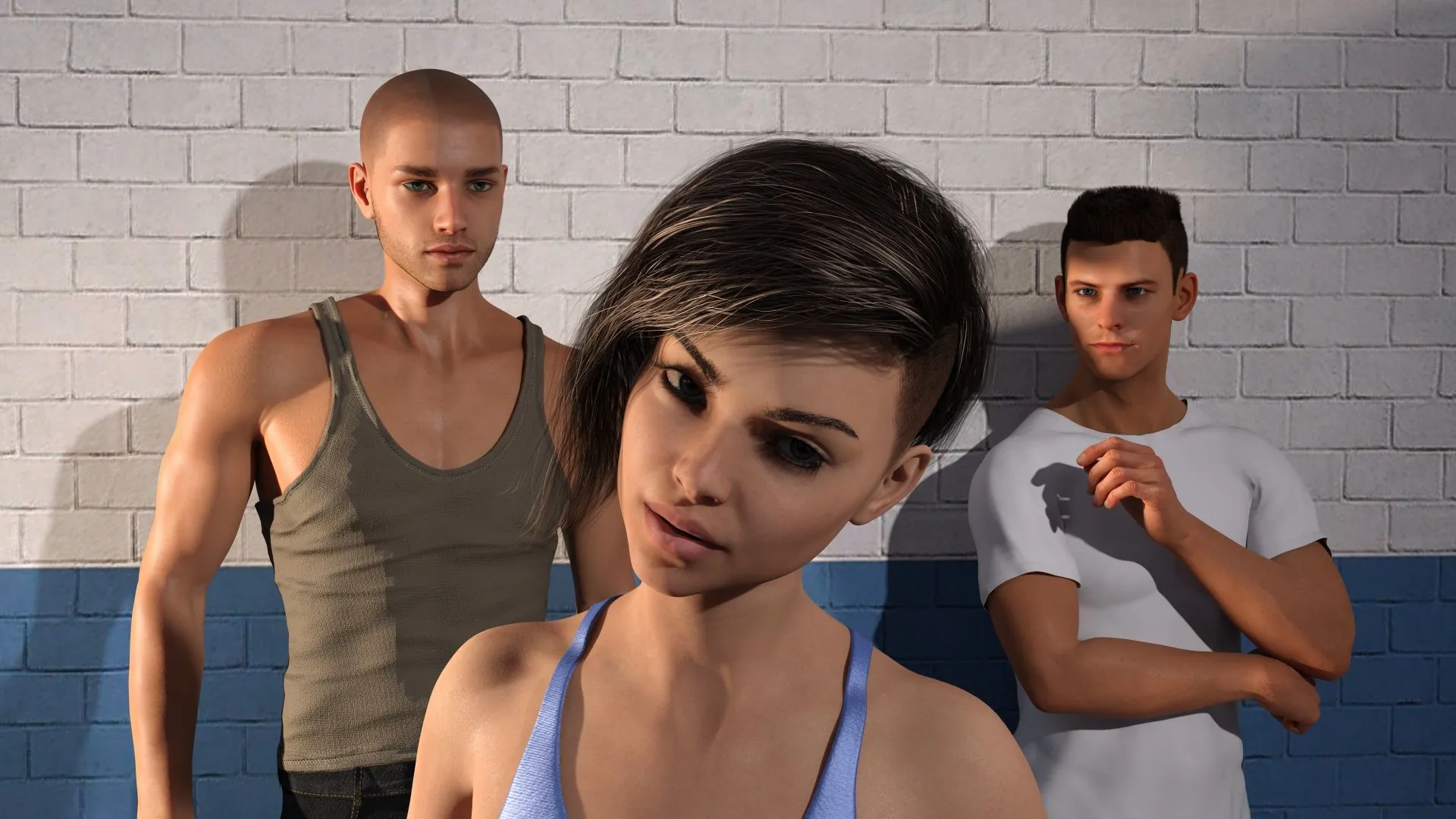
Play Thirty Days
Thirty Days Screenshots


















Thirty Days review
Master gameplay mechanics, character routes, and relationship building in this choice-driven experience
Thirty Days stands out as a heavy choice-driven visual novel that challenges players to navigate a month-long journey with two 18-year-old fraternal twins. With six selectable main characters (three female and three male protagonists), the game delivers multiple playthroughs with vastly different narrative experiences. The title emphasizes meaningful decision-making, where your choices directly shape relationship development, character interactions, and story outcomes. Whether you’re new to visual novels or a seasoned player, understanding the core mechanics and character dynamics will enhance your gameplay and unlock the full potential of this branching narrative experience.
Understanding Thirty Days: Game Overview and Core Mechanics
Ever picked up a visual novel, made what felt like a dozen choices, only to end up with the exact same ending as everyone else? 😤 It’s a common frustration. You’re told your decisions matter, but the path feels suspiciously linear. If that sounds familiar, then prepare to have your expectations completely reshaped by Thirty Days visual novel. This isn’t a story you simply read; it’s a world you actively build, one meaningful choice at a time.
At its heart, Thirty Days is a masterclass in choice-driven gameplay mechanics. Every dialogue option, every action you take (or choose not to take), acts as a seed that grows into a unique narrative tree. Forget about simple “good” or “bad” endings. Here, you’re crafting a deeply personal story shaped by who you are and who you want to become. The game’s core promise is simple yet profound: your voice is the author’s pen. ✍️
What Makes Thirty Days a Choice-Driven Experience
So, what sets Thirty Days apart in the crowded world of interactive stories? It’s the sheer weight and consequence baked into every single decision. From the moment you start, the game establishes that you are not a passenger in this story—you are the driver, and the map is drawn in real-time based on your turns.
The foundation of this experience is its branching narrative paths. Imagine a story not as a straight line with a few detours, but as a sprawling, interconnected web. A choice in your first week about how to handle a tense breakfast doesn’t just affect that morning’s mood; it can determine which secrets are revealed to you in the final week, which character seeks you out for comfort, and ultimately, the emotional core of your entire month. I remember on my second playthrough, I decided to be slightly more reserved during an early conversation, and it completely locked me out of a vulnerable, late-night heart-to-heart I’d experienced before. The game remembered my emotional posture and reacted accordingly.
This is powered by a sophisticated system that tracks far more than a simple “like” meter. Your decisions influence hidden variables like trust, affinity, narrative flags, and story momentum. The choice-driven gameplay mechanics are designed to feel organic. You’re not picking from obviously labeled “Romantic Option A” or “Cold Option B.” Instead, you’re choosing how to express yourself in nuanced, realistic ways. Do you offer pragmatic advice or emotional support? Do you confront an issue directly or give someone space? These are the kinds of forks in the road you’ll constantly encounter.
The ultimate reward for engaging with these branching narrative paths is the multiple playthroughs experience. You haven’t truly seen Thirty Days after one completion; you’ve only witnessed one fragile thread in a vast tapestry. Replaying the game isn’t a chore—it’s a revelation. You start to see how early, seemingly innocuous choices ripple outward, creating entirely different dynamics with the twin characters you live with. This design encourages exploration and rewards curiosity, making every new game a fresh and compelling journey.
Character Selection and Protagonist Options
Before you can shape your story, you must decide who you are. This is the first and one of the most crucial character routes and selection decisions you’ll make. Thirty Days offers six distinct protagonists—three female and three male—each with their own fully realized personality, backstory, and inner world. This isn’t just a cosmetic choice or a simple pronoun swap. Selecting a different main character fundamentally alters the narrative lens, the conflicts you face, and how other characters perceive and interact with you.
Choosing Alex, the pragmatic artist, will lead to a story rich with themes of creative expression and personal doubt. Your interactions with the twins will often revolve around your visible projects and your guarded nature. Meanwhile, picking Jordan, the empathetic nurturer, frames the entire month through the lens of caregiving and emotional labor, attracting characters who need that support in different ways. Each protagonist comes with their own unique internal monologue, specific dialogue choices only they would have, and personal story arcs that interweave with the main plot.
Think of it as six different novels set in the same house, with the same core cast, but with completely different protagonists driving the action. Your multiple playthroughs experience begins right here. To give you a clear overview, here’s a breakdown of the six hearts you can choose to inhabit:
| Character Name | Gender | Key Personality Traits | Unique Story Focus |
|---|---|---|---|
| Alex | Male | Pragmatic, Creative, Guarded | Artistic expression, overcoming creative block, learning to be vulnerable. |
| Sam | Male | Charming, Ambitious, Insecure | Professional drive, personal legacy, managing external expectations. |
| Jordan | Male | Empathetic, Nurturing, Self-sacrificing | Emotional caregiving, setting boundaries, finding mutual support. |
| Riley | Female | Analytical, Independent, Cautious | Intellectual discovery, logic vs. emotion, building trust slowly. |
| Casey | Female | Energetic, Optimistic, Impulsive | Living in the moment, healing from past pain, spontaneous connection. |
| Taylor | Female | Witty, Resilient, Sarcastic | Verbal sparring, using humor as a defense, genuine connection beneath the banter. |
Your choice here defines your starting point for all relationship building system mechanics. The twins will react to Alex’s quiet intensity differently than they would to Casey’s bubbly enthusiasm. This layer of depth makes the character routes and selection process incredibly replayable. You’re not just watching different scenes; you’re experiencing different lives.
How Relationship Systems Work in Thirty Days
Now, let’s talk about the soul of the game: your connection with the twins. The relationship building system in Thirty Days is a delicate, living thing. It’s not about filling a bar to a maximum level; it’s about carefully nurturing two separate, complex bonds that evolve (or devolve) based on your every word and deed. This system is built on two pivotal pillars: trust and attraction mechanics.
Trust is the foundation. It’s earned through consistency, reliability, and emotional safety. Do you keep your promises? Do you respect boundaries? Do you offer support without judgment? Trust opens doors—literally and figuratively. It leads to characters sharing their hidden fears, their past regrets, and inviting you into their private spaces and thoughts. A high-trust, low-attraction relationship might result in a powerful, platonic soulmate bond—an ending that is just as fulfilling and valid as a romantic one.
Attraction, on the other hand, is the spark. It’s built through shared interests, meaningful glances, playful banter, and moments of unique emotional connection. The trust and attraction mechanics operate independently but are constantly intertwined. You can build immense trust with someone without a hint of romance, or feel a strong, immediate attraction that lacks the deep trust needed for it to become something lasting. The game’s true mastery is in how these systems are hidden; you feel their effects through the narrative, not by staring at a meter.
Pro Tip: Don’t try to “game” the system by picking what you think is a “perfect” choice. The most authentic and rewarding outcomes come from choices that feel true to your character. The twins can sense insincerity!
Let’s make this concrete. Imagine a scene early in the game where one twin, let’s call them Robin, is nervously preparing for an important job interview. The other twin, Morgan, is being overly critical and stressing Robin out.
* Choice A (Support Robin Directly): You reassure Robin, highlighting their strengths. You might gently ask Morgan to ease up. This builds trust with Robin, as they see you as an ally. It may slightly strain your immediate rapport with Morgan, who might see you as interfering.
* Choice B (Diffuse with Humor): You crack a lighthearted joke about Morgan being a tough coach, lightening the mood. This builds a point of attraction with Robin (they appreciate you calming their nerves) and may earn a smirk of respect from Morgan for your cleverness.
* Choice C (Stay Out of It): You decide it’s a sibling matter and remain silent. This avoids conflict but builds neither trust nor attraction with either twin. It might lead to a narrative path where both see you as a polite but distant roommate.
This single, early decision creates branching narrative paths. Choice A could lead to Robin seeking you out for confidence-boosting talks later. Choice B might establish a foundation of playful flirtation. Choice C could mean you have to work much harder to build intimacy later on. This is the choice-driven gameplay mechanics in action, where every moment is a building block for your unique story.
The month-long timeframe is your canvas. Thirty in-game days provide a realistic pace for these bonds to form, fracture, and deepen. You’ll share quiet mornings, tense dinners, and everything in between. This structure makes the relationship building system feel earned and authentic. You’re not declaring love in a week; you’re learning about another person, day by day, choice by choice.
By embracing this intricate system, you unlock the full potential of the multiple playthroughs experience. Maybe next time, you’ll pursue a slow-burn trust build with one twin while fostering a fiery, attraction-led connection with the other. Or perhaps you’ll aim for the delicate balance of a polyamorous route, if your choices align perfectly. The trust and attraction mechanics give you the tools, but your heart provides the blueprint. In Thirty Days, you’re not just chasing an ending; you’re discovering the countless ways hearts can connect. 💖
Thirty Days delivers a compelling visual novel experience that rewards thoughtful decision-making and character exploration. By understanding the core mechanics of choice-driven gameplay, relationship systems, and character routes, you can craft a personalized narrative journey that resonates with your preferences. Whether you’re pursuing specific character relationships, unlocking alternative endings, or simply enjoying the branching storylines, the game’s structure encourages multiple playthroughs to discover new content and outcomes. The combination of six distinct protagonists and a month-long timeframe creates substantial replay value, ensuring that each journey through Thirty Days feels fresh and meaningful. Take your time exploring different choices, experiment with various character combinations, and embrace the consequences of your decisions to fully appreciate what this choice-driven experience has to offer.