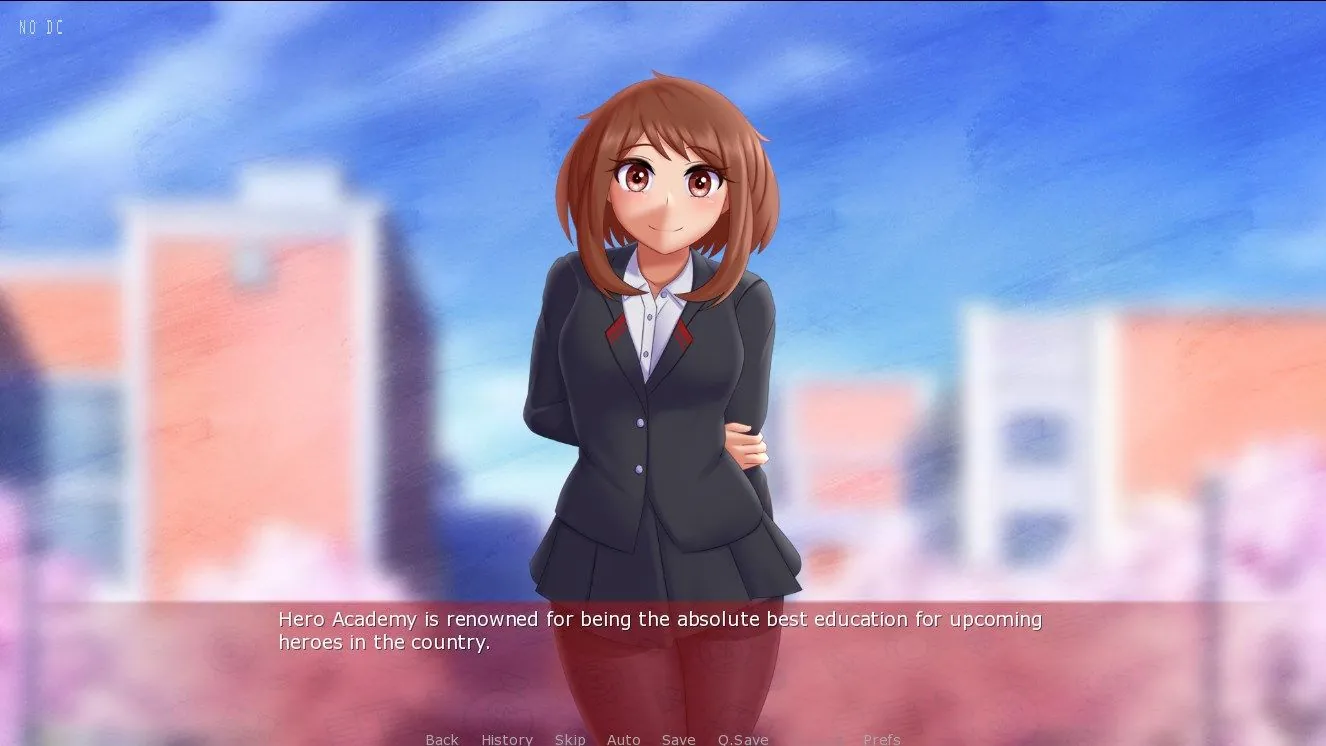
Twisted Memories
Play Twisted Memories
Twisted Memories Screenshots
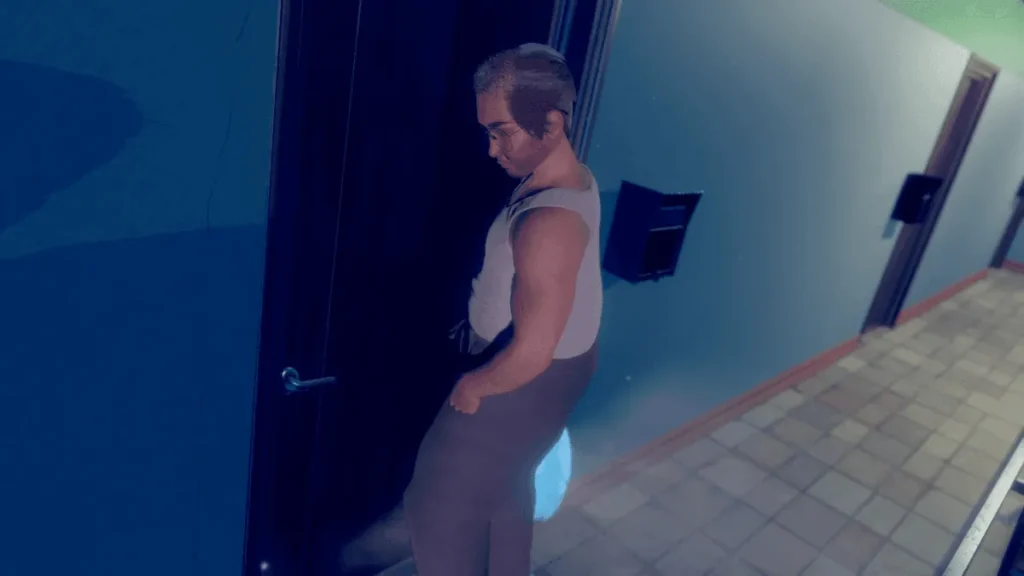
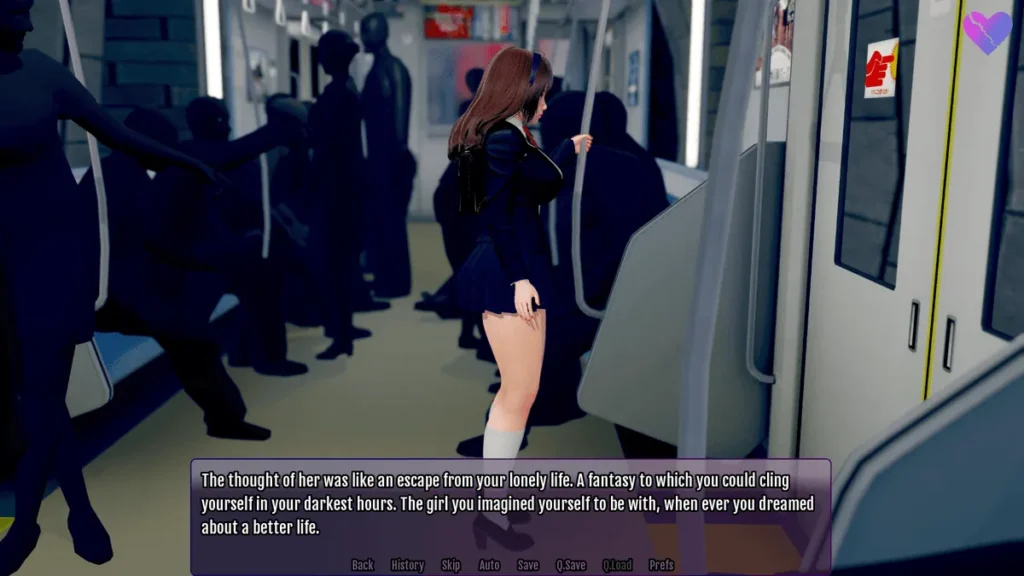


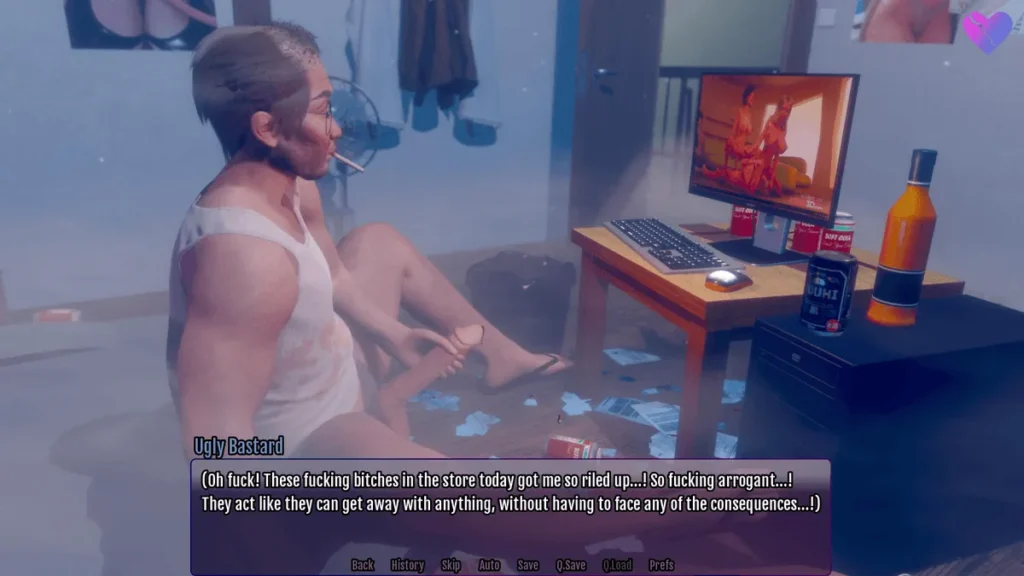
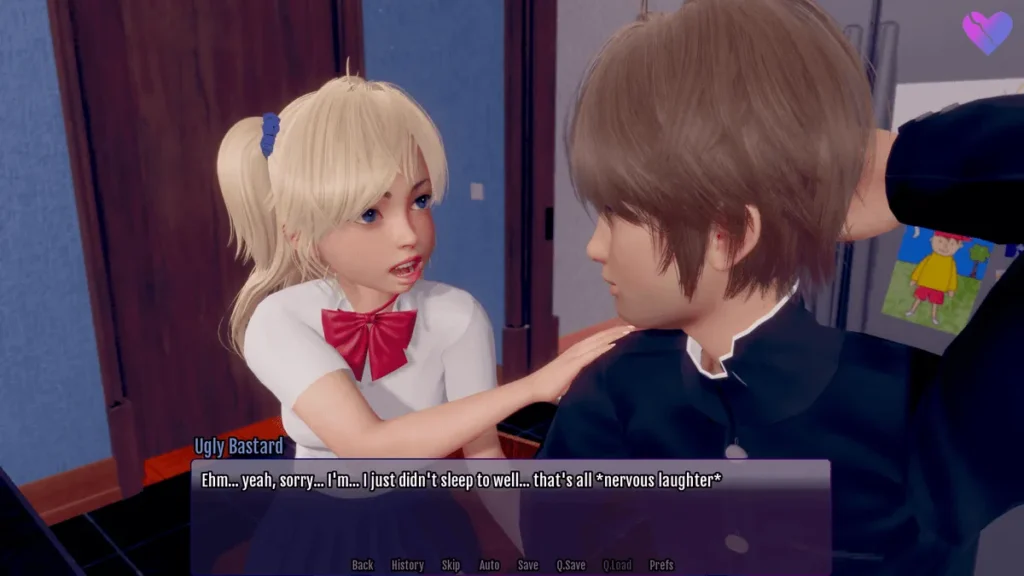





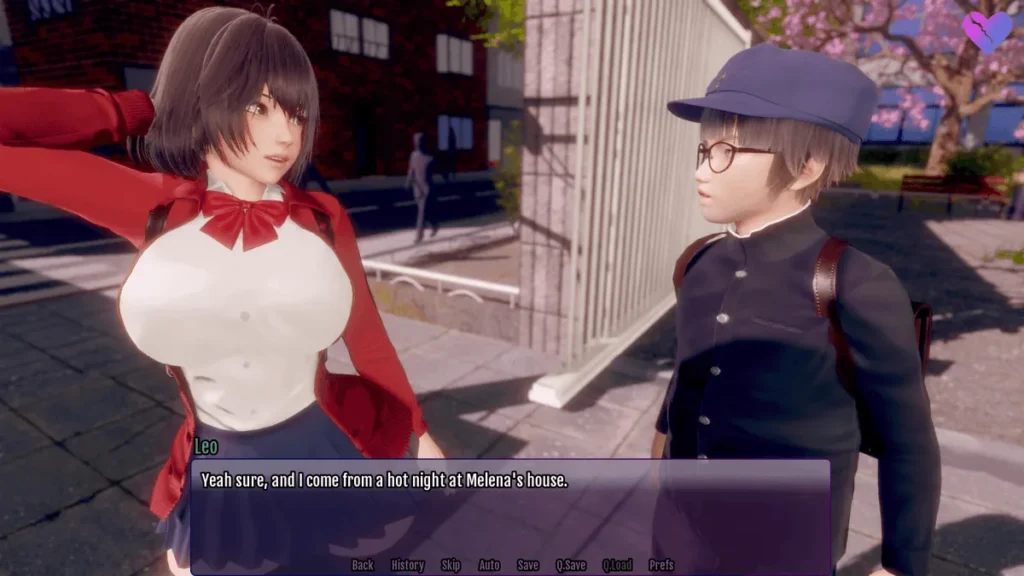
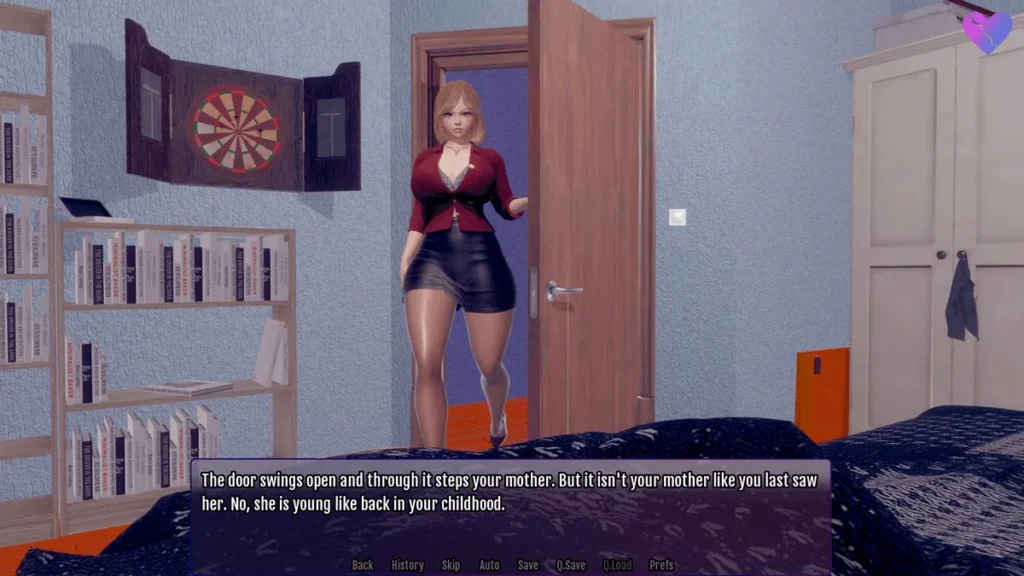
Twisted Memories review
Explore the immersive narrative experience and gameplay mechanics of this psychological adventure
Twisted Memories stands as a unique entry in the narrative-driven gaming landscape, offering players an intricate blend of psychological storytelling and interactive gameplay. This guide explores the core mechanics, narrative structure, and what makes this experience distinctive for players seeking deep, character-driven adventures. Whether you’re a newcomer curious about the game’s premise or an experienced player looking to deepen your understanding, this comprehensive overview covers everything you need to know about navigating the world of Twisted Memories and its complex narrative layers.
Understanding Twisted Memories: Core Gameplay and Mechanics
Ever found yourself staring at a jigsaw puzzle where half the pieces are from a different box, and the picture on the lid is actively lying to you? 😵💫 That’s the delicious, mind-bending headspace you occupy from the moment you boot up Twisted Memories. This isn’t a game where you just follow a story; you are the archaeologist of a shattered psyche, carefully brushing away dust and distortion to uncover a truth that might not even want to be found.
The core magic—and the source of its brilliant tension—is how every single action feeds into a unified narrative-driven game experience. Your exploration, your conversations, and even your failures are all narrative fuel. Forget separate “gameplay” and “story” segments; here, they are the same substance. This chapter is your guide to the gears and levers behind this experience. We’re diving deep into the Twisted Memories gameplay mechanics that make it a landmark in psychological adventure gaming.
How Twisted Memories Structures Its Narrative Experience
From the opening scenes, Twisted Memories establishes its cardinal rule: you are not an omnipotent hero. You are a participant in a fragile, unreliable reality. The game masterfully uses its psychological game design to make you question not just the story, but your own role in piecing it together. I remember one early session where I was convinced a character was hiding a crucial object in their cottage. I spent 20 real-world minutes combing every pixel, only to realize the “memory” of the object’s location was something I had incorrectly assumed from a prior, unrelated dialogue. The game had tricked me into gaslighting myself! 🕵️♂️
This is the essence of its structure. The narrative isn’t a linear path but a web of cause, effect, and perception. The player choice and consequences system is seamlessly woven into this fabric. You’re not presented with obvious “Good / Evil / Sarcastic” dialogue wheels. Instead, consequences flow from subtler actions: which memory fragment you examine first, the tone you use to question a traumatized character, or even which areas you choose to prioritize exploring. A choice made in a calm, sun-dappled memory zone can violently reverberate in a later, nightmarish sequence.
The progression is intrinsically tied to understanding. You don’t “level up” in a traditional sense; you comprehend. The Twisted Memories progression system is gated by emotional and cognitive breakthroughs. Unlocking a new area or a crucial memory often requires you to first reconcile conflicting testimonies or combine disparate fragments of information from your journal. It creates a powerful feeling of growth that is purely intellectual and emotional.
Pro Tip: Keep a physical notepad or use the in-game journal obsessively. The connections you need to make are often logical, but spread far apart. Writing down names, relationships, and seemingly minor details will be your greatest tool.
Key Gameplay Systems and Player Interaction
Let’s break down the engine that powers this unique adventure. At its heart are three interlocking systems that transform passive observation into active, impactful discovery.
The crown jewel is the memory reconstruction system. Scattered throughout the game’s haunting environments are “Echoes”—glimmering, unstable fragments of the past. When you interact with one, you don’t just watch a cutscene. You are plunged into a fully explorable, but often unstable or incomplete, memory space. Your goal is to stabilize it by finding key emotional anchors within. Maybe you need to find a specific object that held significance, or witness a missed interaction. Successfully stabilizing a memory doesn’t just reward you with story; it often permanently alters the present-world environment, unlocking new paths or changing how characters perceive you. It’s a breathtaking way to make storytelling tactile.
Complementing this is the deep character interaction mechanics. Conversations are puzzles in themselves. Characters have mental states, represented by subtle visual and audio cues—a shifting gaze, a change in background music, a nervous gesture. Pushing too hard on a sensitive topic can cause them to shut down, locking you out of information until you repair the relationship, often by uncovering a memory that explains their pain. You’re not just extracting data; you’re managing trauma and building (or breaking) trust.
To see how these systems dance together, let’s look at them side-by-side:
| Gameplay System | Primary Function | Player Skill Tested | Impact on Narrative |
|---|---|---|---|
| Memory Reconstruction | To locate, enter, and stabilize fractured memories from the past. | Environmental observation, pattern recognition, and emotional deduction. | Unlocks core plot truths, alters present-day environments, and provides context for character motives. |
| Character Interaction | To engage with characters through dialogue and action, building trust or provoking conflict. | Empathy, attention to detail (cues), and strategic pacing of conversations. | Opens or closes narrative branches, reveals hidden backstory, and directly influences ending conditions. |
| Evidence Log & Connection | To collect memory fragments, documents, and notes, and manually draw links between them. | Logical reasoning, synthesis of information, and long-term memory. | Drives the core mystery forward; major plot progression is often locked behind making a key connection in your log. |
This table shows that every mechanic has a clear narrative-driven game experience purpose. There’s no “filler” gameplay. Even the simple act of walking through an environment is charged with meaning, as the scenery itself morphs and decays based on the memories you’ve accessed or the conversations you’ve had. The atmosphere is a mechanic, and it’s constantly playing with your expectations. 👻
Character Development and Memory Reconstruction
Here’s where Twisted Memories truly elevates itself: your character’s development is the memory reconstruction process. You don’t have a skill tree; you have a slowly clarifying self-portrait. Every stabilized memory doesn’t just advance the plot—it redefines who you are, both to yourself and to the other characters in the story.
I learned this the hard way. In my first playthrough, I aggressively pursued memories related to a central conflict, thinking I was being a diligent detective. 🕶️ What I didn’t realize was that by focusing on those painful, confrontational echoes, I was shaping my protagonist into an angry, single-minded figure. This, in turn, made a key ally fearful of me. They began withholding vital information, which sent me down a much darker, more paranoid narrative path. The player choice and consequences were invisible in the moment but monumental in retrospect. I wasn’t choosing dialogue options; I was choosing which parts of my soul to excavate first.
This is the genius of its psychological game design. The game tracks your investigative priorities and emotional responses. Are you compassionate toward certain characters? Do you shy away from memories of guilt? The game’s Twisted Memories progression system uses this data to determine not just which memories become available next, but how they are presented. A memory recalled from a place of empathy might highlight different details than the same memory approached with suspicion.
The memory reconstruction system is therefore the primary vehicle for character arcs—for everyone. By piecing together a supporting character’s shattered past, you are literally rebuilding them, which changes how they behave in the present. It creates a profoundly satisfying loop:
1. Interact with a troubled character.
2. Uncover a memory fragment related to their trauma.
3. Reconstruct that memory to understand their pain.
4. Return to them with new context, changing your relationship and unlocking new paths.
Your journal becomes a living document of this growth, and reviewing it after a major revelation is one of the game’s greatest pleasures. You get to see the false assumptions you crossed out and the new, shocking connections you’ve drawn in real time.
Practical Advice for New Players: Embrace the confusion. 😌 Do not try to “solve” the central mystery in the first few hours. Instead, focus on the emotional through-line of each character you meet. Treat each memory as a chance to understand a feeling, not just an event. Let the why guide you more than the what. And most importantly, don’t be afraid to sit with the silence and the environment after a big reveal; the game often uses its spaces to let the weight of your discoveries sink in.
Ultimately, understanding the Twisted Memories gameplay mechanics is understanding that you are holding a mirror as much as you are holding a controller. Every system, from dialogue to exploration, is designed to reflect your own investigative instincts and emotional biases back at you, creating a narrative-driven game experience that feels uniquely, intimately yours. Your journey through these twisted memories will be unlike anyone else’s, and that is its most profound and haunting achievement.
Twisted Memories delivers a compelling experience for players seeking narrative depth and psychological complexity. The game’s innovative approach to memory mechanics, combined with its intricate character development and thematic exploration of identity, creates a memorable interactive experience. Whether you’re drawn to the psychological storytelling, the character-driven narrative, or the unique gameplay systems, Twisted Memories offers substantial content that rewards careful attention and emotional investment. For players looking to fully appreciate what the game offers, taking time to engage with all available story paths and character interactions will enhance your understanding of the narrative’s full scope. Start your journey into Twisted Memories today and discover how your choices shape the unfolding story.